Introduction to Asbestos
-
What is Asbestos?
Asbestos is a natural mineral revered for decades for its extraordinary properties, including heat resistance, fireproofing prowess, and chemical resilience, that made it useful for numerous industries. But a shadow loomed over asbestos as its perilous health risks became more apparent as the years passed.
When disturbed, asbestos releases tiny fibres into the air. These wisps, invisible to the naked eye, sow seeds of destruction in unsuspecting lungs, causing life-threatening lung diseases and cancer.
Consequently, stringent regulations have been in place in the UK since 1999, banning its use.
-
The History of Asbestos Use
The history of asbestos use dates back thousands of years, with early civilisations recognising its remarkable properties. Ancient Egyptians used asbestos fibres in their burial cloths, believing it would preserve the bodies of the deceased.
During the Industrial Revolution, asbestos gained significant popularity due to its remarkable heat and fire-resistant qualities. The 19th and 20th centuries saw widespread adoption of asbestos in many industries, such as construction, shipbuilding, and car manufacturing.
-
Health Risks Associated with Asbestos Exposure
Over the years, extensive documentation of the significant health risks associated with asbestos exposure has been documented. These include:
Mesothelioma: This aggressive and often fatal cancer affects the lungs, abdomen, or heart lining. It is exclusively linked to asbestos exposure, with symptoms typically appearing decades after initial exposure.
Asbestosis: Prolonged exposure to asbestos can lead to asbestosis, a chronic lung condition characterized by scarring of lung tissue. It causes breathing difficulties and increases the risk of other respiratory problems.
Lung Cancer: Asbestos exposure is a known cause of lung cancer. Smokers with a history of asbestos exposure have a significantly higher risk of developing lung cancer than non-smokers.
Other Cancers: Asbestos exposure has also been linked to cancers of the larynx, ovary, and other organs.
Asbestos Surveys: Understanding the Importance
-
Defining an Asbestos Survey
Qualified professionals conduct an asbestos survey to identify asbestos-containing materials. The surveyors thoroughly check materials that might contain asbestos to keep occupants and workers safe by finding the extent and condition of any asbestos present.
During the survey, the surveyors check every nook and cranny of the premises. They collect samples for lab analysis to verify if there is asbestos in the materials. A survey report provides important information, including the location, type, and condition of any identified ACMs.
-
Asbestos Surveys Legal Requirements and Regulations
In the UK, conducting an asbestos survey is subject to legal requirements and regulations. The main legislation governing asbestos surveys includes:
- Control of Asbestos Regulations 2012: This regulation is the UK’s primary legislation governing asbestos management. It outlines the duty to manage asbestos in non-domestic premises and sets specific requirements for asbestos surveys, including management surveys and refurbishment and demolition surveys.
- Health and Safety at Work etc. Act 1974: This general health and safety legislation obligates employers to ensure their employees’ health and welfare. This involves managing the risks associated with asbestos in the workplace.
- Management of Health and Safety at Work Regulations 1999: Regulations require employers to conduct risk assessments. This includes assessing the hazards related to exposure to asbestos.
- Control of Substances Hazardous to Health (COSHH) Regulations 2002: These regulations apply to managing hazardous substances, including asbestos. Employers must assess and prevent exposure to dangerous substances like asbestos.
The legal regulations for an asbestos survey include the following:
- Identification of ACMs: The survey must identify all asbestos-containing materials within the premises, regardless of their condition or location.
- Qualified Surveyors: The survey must be conducted by trained surveyors with relevant qualifications in asbestos surveying.
- Survey Types: The survey must be appropriate for the intended purpose; a management survey or a refurbishment and demolition survey.
- Survey Report: The survey findings must be written in a detailed report, including the location, type, and condition of identified ACMs.
- Risk Assessment and Management: The survey report must include a risk assessment summarising the potential risks associated with the identified ACMs and suggest suitable actions.
- Periodic Review: There is a requirement to review and update the survey regularly for management surveys.
Who Needs an Asbestos Survey?
-
Types of Asbestos Surveys
There are two primary types of asbestos surveys in the UK: each with a different purpose. The survey types are Management Surveys and Refurbishment And Demolition Surveys.
-
Management Asbestos Survey
The Management Survey is the standard and most performed type of asbestos survey. Its primary purpose is to locate and assess the presence of ACMs in non-domestic premises, including commercial buildings, schools, and hospitals. The survey aims to identify any possible risks associated with asbestos that may be encountered during normal occupancy or routine maintenance activities.
The surveyors may take samples of suspected materials for analysis. The resulting survey report provides information on the location, type, and condition of identified ACMs and recommendations for proper management and maintenance to prevent asbestos exposure.
-
Refurbishment and Demolition Asbestos Survey
The Refurbishment and Demolition Survey is a more intrusive and thorough survey done before major renovation or demolition work begins. This survey type is necessary when the building or structure will undergo considerable changes that could disturb asbestos-containing materials. The surveyors will thoroughly investigate the premises, including areas that are hard to reach, to identify ACMs that could be disturbed during the refurbishment or demolition.
This survey involves more destructive inspection methods, such as removing wall panels or floorboards to get to hidden spaces. The detailed survey report provides essential information to ensure all ACMs are removed before work begins, minimising the risk of asbestos exposure for workers involved in the project.
Conducting an Asbestos Survey
-
Choosing a Certified Surveyor
To get a trustworthy and certified asbestos surveyor in the UK, it’s important to consider several factors. Here are some steps you can take to find a reliable asbestos surveyor:
- Look for surveyors or companies with relevant accreditation, such as UKAS, which confirms that they meet standards and best practices in asbestos surveying.
- Confirm that the surveyor has taken recognised courses and certifications related to asbestos surveying and management.
- Choose a surveyor with a track record of experience in conducting asbestos surveys, as they are familiar with various building types and asbestos-containing materials.
- Check the surveyor has adequate indemnity insurance, which protects in case of errors or omissions during the survey process.
-
Preparing for an Asbestos Survey
Preparing for an asbestos survey is crucial to ensure the process is smooth, efficient, and accurate. Here are the essential steps to help you prepare for an asbestos survey:
- Gather Building Information: Collect all relevant information about the building or structure to be surveyed. This includes building plans, construction dates, previous asbestos-related documents, and any known history of asbestos-containing materials or previous asbestos work.
- Identify Potential ACMs: Before the survey, list potential asbestos-containing materials within the building. This can be based on historical knowledge, construction materials commonly used during the building’s construction period, or the presence of any suspect materials.
- Notify Occupants and Stakeholders: Inform occupants, employees, and relevant stakeholders about the upcoming asbestos survey. Provide them with details about the survey’s purpose and reassure them of safety measures in place.
- Appoint a Point of Contact: Designate a point of contact within your organization to liaise with the asbestos surveyor. This person will facilitate access to the building and provide necessary information during the survey.
- Ensure Safe Access: Ensure the surveyors have safe and unrestricted access to all building areas, including crawl spaces, attics, basements, and service areas. Remove any obstructions that could hinder the survey.
- Shut Down Utilities if Required: If the survey includes accessing confined spaces or areas with utilities, ensure that necessary precautions are taken, such as shutting down utilities temporarily to avoid accidents.
- Inform Contractors and Maintenance Staff: If ongoing maintenance or construction projects occur, inform contractors and staff about the survey and potential asbestos-containing materials they may encounter.
- Assemble Asbestos Records: If existing asbestos-related records or surveys exist for the building, compile them for reference during the new survey.
- Inform about Changes: Inform the surveyor about any recent changes or renovations within the building that might affect the survey’s accuracy.
-
The Survey Process Explained
The asbestos survey process involves several essential steps to identify and assess the presence of asbestos-containing materials in a structure. The process typically follows these stages:
Pre-Survey Planning: The surveyor will gather information about the building, its construction history, and any previous asbestos-related records. They will plan the survey approach based on the building’s layout, accessibility, and potential ACMs.
Site Visit and Inspection: The surveyor will conduct a thorough visual inspection of the entire building, including all accessible areas and hidden spaces. They will look for asbestos materials, such as floor tiles, water tanks, flues, and more.
Sampling and Analysis: If necessary, the surveyor will take samples of suspected materials for laboratory analysis. These samples are collected following proper safety protocols to avoid releasing asbestos fibres into the air.
Asbestos Identification: The laboratory will analyse the samples to determine if they contain asbestos and identify the type and percentage present.
Survey Report Preparation: The surveyor will prepare a comprehensive survey report based on the inspection findings and laboratory analysis. The information includes the location, type, and condition of identified ACMs.
Risk Assessment: The survey report will include a risk assessment that evaluates the potential risk of asbestos exposure based on the condition and location of ACMs.
Survey Type and Recommendations: The report will specify whether the identified ACMs require immediate removal, encapsulation, or regular monitoring. The type of survey (management or refurbishment and demolition) will also be indicated.
Management Plan: For management surveys, the survey report will outline a management plan detailing how to manage and maintain identified ACMs to prevent exposure safely.
Communication and Recommendations: The surveyor will communicate the findings and recommendations to the building owner, manager, or responsible parties, ensuring they understand the potential risks and necessary actions.
Periodic Review (Management Surveys): For management surveys, the surveyor may recommend regular reviews to monitor the condition of ACMs and update the management plan if necessary.
Refurbishment and Demolition Plan (Refurbishment and Demolition Surveys): For refurbishment and demolition surveys, the survey report will include a plan for the safe removal and disposal of identified ACMs before the planned works begin.
Compliance and Follow-up: Building owners or managers will take appropriate actions based on the survey recommendations to comply with asbestos regulations and ensure the safety of occupants and workers.
Identifying Asbestos-Containing Materials
-
Common ACMs in Buildings
Common ACMs found in buildings include:
- Asbestos Insulation: Asbestos was commonly used as thermal insulation in buildings, particularly for pipes, boilers, ducts, and HVAC systems.
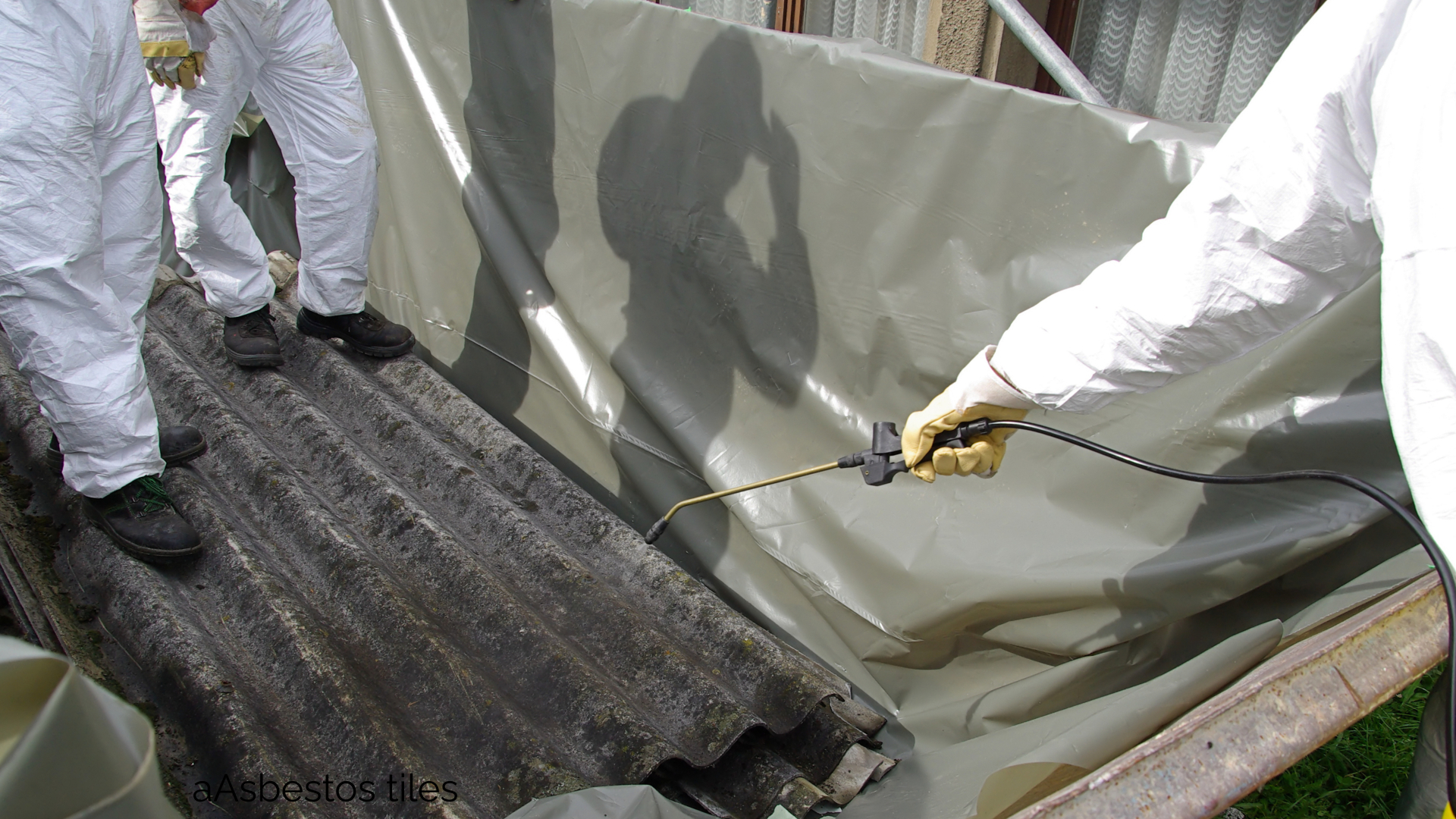
- Asbestos Cement Products: Asbestos cement sheets and pipes were often used in roofing, wall cladding, and drainage systems.
- Asbestos Ceiling Tiles: Asbestos-containing ceiling tiles were used for acoustic and thermal insulation in ceilings.
- Asbestos Floor Tiles: Asbestos was used in vinyl floor tiles and sheet flooring for added strength and insulation.
- Asbestos Textured Coatings: Asbestos-containing textured coatings, commonly known as “Artex,” were used to decorate ceilings and walls.
- Asbestos Joint Compounds: Asbestos-containing joint compounds were used in drywall installations to fill gaps between panels.
- Asbestos Sprayed Coatings: Asbestos was sprayed onto steelwork, walls, and ceilings for fireproofing and insulation.
- Asbestos Gaskets and Packing: Asbestos gaskets and packing were used in mechanical systems and equipment, such as valves and pumps.
- Asbestos Insulating Board (AIB): AIB was used for partition walls, ducts, and fire doors in buildings.
- Asbestos Roofing Felts and Shingles: Asbestos was used in roofing felts and shingles for waterproofing and fire resistance.
-
Uncommon ACMs: Lesser-Known Sources
In addition to the common asbestos-containing materials found in buildings, some lesser-known sources of asbestos were used in specific applications. These lesser-known ACMs can still pose a risk if they are present and disturbed. Some of these uncommon ACMs include:
- Asbestos Paper: Asbestos paper was used for electrical insulation, such as wrapping cables and lining electrical panels.
- Asbestos Roofing Felt: Asbestos roofing felt was used as an underlayment for roofing materials, providing waterproofing and insulation.
- Asbestos Textiles: Asbestos textiles, including cloth, fabric, and rope, were used for heat-resistant clothing, fire blankets, and gaskets.
- Asbestos Millboard: Asbestos millboard was used as a heat-resistant barrier in high-temperature applications, such as around stoves and furnaces.
- Asbestos Adhesives and Sealants: Asbestos-containing adhesives and sealants were used in construction and insulation applications.
- Asbestos Fire Curtains and Fireproofing Sprays: Asbestos fire curtains and fireproofing sprays were used to enhance building fire resistance.
- Asbestos Reinforced Plastics: Asbestos was added to plastics to increase their strength and heat resistance, leading to its use in various products, including wall panels and water tanks.
- Asbestos Laboratory Countertops: Asbestos-containing laboratory countertops provide heat resistance and durability in scientific settings.
- Asbestos Brake Pads and Clutches: Asbestos was used in vehicle brake pads and clutches for its heat-resistant properties.
- Asbestos Insulated Wire: Asbestos was sometimes used as insulation for electrical wires and cables.
-
Friable vs. Non-Friable Asbestos
Friable and non-friable are terms used to describe the condition of asbestos-containing materials and how easily they can release asbestos fibres into the air when disturbed. Here’s an explanation of each:
Friable Asbestos: Friable asbestos refers to ACMs that easily crumble or reduce to powder by hand pressure when dry. These materials can release asbestos fibres into the air more readily when disturbed, presenting a higher risk of exposure. Examples of friable asbestos include loose-fill insulation, sprayed coatings, and certain types of asbestos insulation.
Non-friable Asbestos: Non-friable asbestos, also known as bonded asbestos, refers to ACMs in which the asbestos fibres are firmly bound or encapsulated within a matrix material, such as cement, resin, or vinyl. These materials are more resistant to releasing fibres when left undisturbed. However, if non-friable ACMs are subject to damage or significant deterioration over time, they can become friable and pose a greater risk. Non-friable asbestos includes asbestos-cement sheets, floor tiles, and asbestos-containing pipe insulation.
It’s important to note that both friable and non-friable asbestos can be hazardous if proper precautions are not taken during maintenance, renovation, or demolition activities.
Interpreting Asbestos Survey Reports
-
Understanding Asbestos Survey Codes
Asbestos survey reports often use specific codes to classify and describe the condition of identified asbestos-containing materials (ACMs). Understanding these codes is essential for effectively managing asbestos risks. Here are some common asbestos survey codes used in the United Kingdom:
ACM (Asbestos-Containing Material) Codes:
- ACM1: Presumed/Highly Likely ACM – Material suspected to contain asbestos based on visual inspection or other available information.
- ACM2: Sampled ACM – Material identified as containing asbestos based on sampling and laboratory analysis.
- ACM3: Not Assessed – Material not assessed for the presence of asbestos due to limited access or other reasons.
Condition Codes:
- C1: Good Condition – ACM is stable with minimal damage or deterioration.
- C2: Poor Condition – ACM shows signs of damage, deterioration, or surface disturbance that may release asbestos fibres if disturbed.
- C3: Very Poor Condition – ACM significantly damaged, friable, or with extensive surface disturbance, presenting a high risk of fibre release.
Extent Codes:
- E1: Limited Extent – Small area or quantity of ACM identified.
- E2: Moderate Extent – ACM present in multiple areas or larger quantities.
- E3: Extensive Extent – Large-scale presence of ACM throughout the building or significant quantities.
Priority Codes:
- P1: Priority 1 – ACM with a high potential for fibre release, requiring immediate attention and remediation.
- P2: Priority 2 – ACM with a moderate potential for fibre release, requiring action in the short term.
- P3: Priority 3 – ACM with a low potential for immediate fibre release but still requiring management and monitoring.
These codes help to categorise the identified ACMs based on their condition, extent, and priority for remediation or management. They provide clear indications of the level of risk and the necessary actions to ensure safety.
-
Asbestos Register and Management Plan
An asbestos register and management plan are essential for managing asbestos-containing materials. Here are their purposes:
Asbestos Register: An asbestos register is a thorough document that records the presence, location, condition, and relevant information about ACMs. It is a reference for asbestos management, providing all stakeholders with up-to-date information about any asbestos on the premises. The register typically includes details such as the type of ACM, where it is, how much, the condition, and any steps taken, such as encapsulation or removal. The register helps building owners, managers, and maintenance personnel make informed decisions regarding asbestos management, maintenance, and potential future work.
Asbestos Management Plan: An asbestos management plan is a structured document summarising the processes, procedures, and responsibilities for managing ACMs in a building. It is a roadmap for ensuring compliance with asbestos regulations and enforcing effective control measures to prevent exposure to asbestos fibres. The management plan includes information on how ACMs will be assessed, monitored, and maintained over time. It may also outline strategies for notifying and training employees, contractors, and other applicable parties about asbestos and the necessary precautions. The plan includes a timetable for regular checks, monitoring, and reviews to ensure ongoing compliance and effective management of ACMs.
The asbestos register and management plan are comprehensive approaches to managing asbestos risks. The register provides a detailed inventory of ACMs in the building, while the management plan outlines the strategies for safely managing and controlling those ACMs. By implementing an asbestos register and management plan, building owners and managers can protect the safety of occupants, comply with regulations, and provide proper maintenance and control of ACMs.
-
Dealing with ACMs: Removal or Encapsulation?
There are two primary approaches when dealing with asbestos-containing materials: removal and encapsulation. The choice between removal and encapsulation depends on various factors, including the ACMs’ condition, location, and the level of risk they pose. Here’s an explanation of each approach:
Removal: Asbestos removal involves the complete physical removal of the ACMs from the building or structure. This approach is typically recommended when the ACMs are in poor condition, friable (easily crumbled), or likely to be disturbed during maintenance or renovation activities. Professional asbestos removal contractors carry out the removal process following strict safety procedures to minimize the release of asbestos fibres. The removed ACMs are then properly sealed, packaged, and disposed of following relevant regulations. Asbestos removal ensures the complete elimination of asbestos from the premises, reducing the risk of exposure to asbestos fibres.
Encapsulation: Encapsulation, also known as sealing, involves applying a protective coating or enclosure over the ACMs to prevent the release of asbestos fibres. Encapsulation is commonly used when the ACMs are in good condition and not likely to be disturbed. It involves creating a barrier between the asbestos fibres and the surrounding environment, which helps to contain them and decrease the risk of fibre release. Professional contractors use specialized encapsulation products that securely and durably seal the ACMs. However, it’s important to note that regular monitoring and maintenance are necessary to maintain the effectiveness of encapsulation.
When considering whether to remove or encapsulate asbestos-containing materials, it’s important to have a qualified professional assess their condition, location, the potential for fibre release, and the feasibility of removal or encapsulation methods. It’s also crucial to comply with local regulations and best practices in deciding on the appropriate approach.
Asbestos Risk Assessment and Management
-
Asbestos Risk Categories: High, Medium, and Low
Asbestos risk categories assess the danger of ACMs on a property. They help prioritise and determine the urgency of actions needed to manage and control the risks. In the UK, these categories are classified as high, medium, and low. Here’s what each type means:
High Risk: Asbestos in bad condition that can easily release fibres is considered high risk. If it is disturbed or not managed properly, it can immediately and greatly expose you to asbestos. It must be removed or sealed as soon as possible to reduce the risk.
Medium Risk: Medium-risk asbestos category includes ACMs with a moderate potential for fibre release or in a condition that may lead to fibre release if disturbed or subjected to deterioration. Although the risk may not be as immediate or severe as high-risk ACMs, these materials still require proper management and control. Regular monitoring, maintenance, and periodic inspections are necessary to ensure the condition of medium-risk ACMs does not worsen and that appropriate actions are taken in a timely manner.
Low Risk: Low-risk asbestos category includes ACMs with a low potential for fibre release or are stable and well-maintained. These materials are less likely to release asbestos fibres unless disturbed or damaged. While the risk may be relatively low, managing and monitoring low-risk ACMs to prevent any potential deterioration or accidental disturbance is still important. Regular inspections and appropriate control measures should be in place to ensure the ongoing safety of low-risk ACMs.
-
Factors Affecting Asbestos Risk
Several factors contribute to the asbestos risk associated with asbestos-containing materials (ACMs) within a building or structure. Understanding these factors is essential for effectively managing and controlling asbestos risks. Here are some key factors that affect asbestos risk:
Condition of ACMs: The state of ACMs plays a significant role in determining the level of risk. ACMs in good condition, with minimal damage or deterioration, pose a lower risk than those that are damaged, deteriorated, or friable (easily crumbled). Damaged or friable ACMs have a higher potential for releasing asbestos fibres into the air when disturbed.
Location of ACMs: The location of ACMs in a building also affects the level of risk. ACMs in areas with frequent human activity or where maintenance and renovation work are likely to occur pose a higher risk than ACMs located in less accessible or undisturbed areas.
Extent of ACMs: The quantity and extent of ACMs contribute to the overall risk. Larger amounts of ACMs or widespread presence throughout the building increase the potential for fibre release and exposure.
Accessibility and Disturbance: ACMs that are easily accessible or prone to disturbance are associated with higher risks. For example, ACMs in high-traffic areas, near mechanical systems, or subject to regular maintenance activities have a higher chance of being disturbed and releasing asbestos fibres.
Maintenance and Management: Proper maintenance and management practices significantly influence asbestos risk. Regular inspections, monitoring, and appropriate control measures, such as encapsulation or removal, help mitigate the risk by maintaining the integrity of ACMs and preventing accidental disturbance.
Occupant Awareness and Training: The level of awareness and training among building occupants and workers regarding asbestos and safe practices can influence the potential for exposure. Proper education and training on asbestos risks, handling precautions, and reporting procedures are essential to minimize the risk of accidental fibre release.
Regulatory Compliance: Compliance with asbestos regulations and guidelines is critical in managing asbestos risks. Following relevant rules ensures that appropriate measures are in place to identify, assess, control, and communicate the presence of ACMs effectively.
Considering these factors is crucial when conducting asbestos surveys, implementing management plans, and deciding to manage or remove ACMs.
-
Best Practices for Asbestos Management
Asbestos Register: It is important to keep an asbestos register regularly updated with information about identified ACMs.
Risk Assessment: To determine the likelihood of asbestos fibre release, conduct a risk assessment that considers the condition, location, accessibility, and potential exposure of asbestos fibres to building occupants.
Management Plan: Develop a plan explaining the strategies, procedures, and responsibilities. Include maintenance schedules, control measures, and review guidelines in the plan.
Training and Education: Train people working in buildings about the dangers of asbestos and how to work safely. Make sure they know where the asbestos is and how to be careful around it.
Control Measures: Follow safety measures based on asbestos inspection results. This may involve sealing, enclosing, or removing asbestos-containing materials. Make sure that only trained professionals follow industry standards and regulations when implementing these measures.
Safe Work Practices: Establish safe work practices for activities disturbing or involving ACMs. This includes using appropriate personal protective equipment (PPE), employing proper containment and removal procedures, and ensuring proper waste disposal.
Regular Inspections and Monitoring: Make regular inspections and monitoring of ACMs to pinpoint any changes in condition, damage, or deterioration. Promptly address any issues that may arise.
Communication and Awareness: Maintain clear communication channels to inform relevant parties about the presence of ACMs, control measures in place, and any updates or changes. Encourage people who work or reside in buildings to be more knowledgeable about the risks associated with asbestos and how to employ safe practices.
Compliance with Regulations: Stay up to date with asbestos regulations, guidelines, and best practices. Ensure compliance with relevant legislation and regularly review and update asbestos management practices accordingly.
By following these practices, building owners and managers can manage asbestos risks, protect the safety of occupants and workers, and comply with asbestos regulations and guidelines.
Asbestos Removal: Safe Handling and Disposal
-
Hiring a Licensed Asbestos Removal Contractor
When removing asbestos, hiring a licensed contractor to handle it safely is important. Here are some things to consider when looking for a contractor in the UK:
- Make sure they have the required licenses and certifications
- Find out about their experience and expertise
- Check if their workers are trained to remove asbestos
- Ask about their insurance coverage
- Request references and testimonials
- Make sure they comply with regulations and provide detailed quotes and contracts
- Consider their communication and professionalism
- Request a site visit for a more accurate quote.
By researching and considering these factors, you can find a qualified, experienced contractor who will safely remove asbestos and comply with regulations.
-
Asbestos Removal Procedures and Safety Measures
Asbestos removal procedures and safety measures are crucial to safely handling and disposing of asbestos-containing materials. When carrying out asbestos removal in the UK, the following procedures and safety measures should be followed:
Risk Assessment: Conduct a thorough risk assessment to identify likely hazards and devise control measures. This includes evaluating the condition, location, and extent of ACMs and considering the potential for fibre release and exposure.
Notification and Permits: Notify the appropriate authorities, such as the Health and Safety Executive (HSE), before starting asbestos removal work. Get the necessary permits required by local regulations.
Preparation and Containment: Set up a clearly defined work area, using barriers and warning signs to restrict access. Implement a negative air pressure system with HEPA (high-efficiency particulate air) filtration to stop the spread of asbestos fibres outside the work area. Seal off ventilation systems and close windows and doors to avoid contaminating other areas.
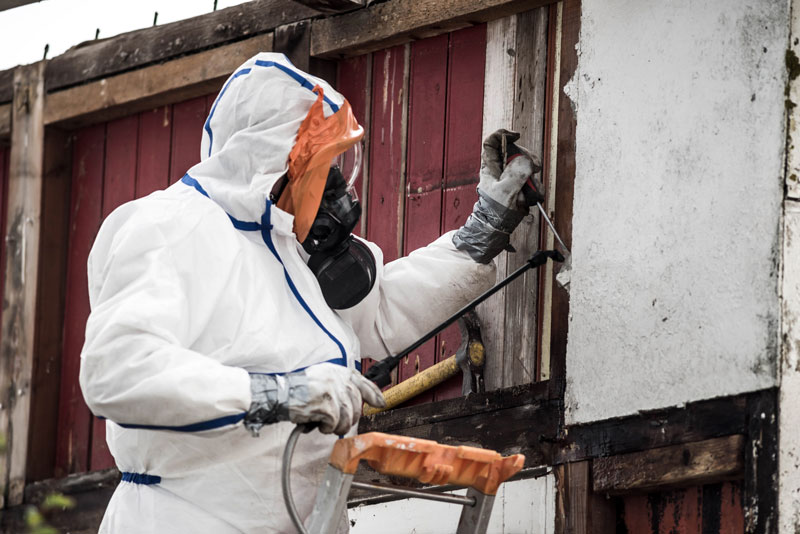
Personal Protective Equipment (PPE): Provide workers with PPE, including disposable coveralls, gloves, half-face or full-face respirators with HEPA filters, and safety footwear.
Wet Methods and Minimization of Disturbance: To prevent the release of asbestos fibres, use wet methods when removing it. Spraying low-pressure water on the asbestos material will help to reduce dust. Do not handle the material aggressively to avoid fibre release.
Controlled Removal: To avoid releasing fibres, carefully remove ACMs using controlled methods like cutting or dismantling. Try not to create too much vibration or dust. Use tools like a HEPA vacuum to clean up debris and minimize contamination.
Proper Bagging and Sealing: Put the removed ACMs in bags or containers designated for asbestos waste. Label and seal them properly according to local regulations.
Decontamination Procedures: Set up decontamination stations with separate clean and dirty areas. Make sure workers use shower facilities and follow proper decontamination procedures, such as carefully removing protective gear and thoroughly cleaning any exposed skin and personal belongings.
Waste Disposal: Arrange for the safe disposal of asbestos waste at an authorised disposal facility. Use a licensed waste carrier to transport and dispose of the waste.
Air Monitoring: Conduct air monitoring throughout removal to assess fibre levels. This includes both personal monitoring of workers and ambient air monitoring in and around the work area.
Post-Removal Clearance Inspection: Hire an independent, qualified analyst to carry out a thorough visual inspection and air sampling to confirm that the area is free from asbestos fibres after the removal work. The analyst should give you a clearance certificate if the site passes the inspection.
Sticking to these safety measures is necessary to protect the health and safety of workers and prevent the release of asbestos fibres during removal work. Hiring licensed asbestos removal contractors with the expertise, experience, and equipment is recommended to carry out asbestos removal projects safely and comply with regulations.
Asbestos Encapsulation and Enclosure
-
When Asbestos Encapsulation is Appropriate
Asbestos encapsulation is an appropriate approach in certain situations where the asbestos-containing materials are in good condition and the risk of fibre release is low. Here are some scenarios where encapsulation may be deemed appropriate:
Stable ACMs: Encapsulation can protect ACMs from damage and fibre release. It creates a barrier that seals the fibres within the material, reducing exposure risk.
Low-Risk Areas: If there’s little chance of damaging asbestos-containing materials, you can use encapsulation to keep them safe. This is especially helpful in areas where they don’t get touched often or aren’t likely to get damaged. Encapsulation will help keep the ACMs in good condition and prevent fibres from being released accidentally.
Budgetary Constraints: Sometimes, it is cheaper to cover up asbestos than to take it all out. If it’s not very dangerous, covering it up can be a temporary solution while considering how much money we can afford to spend.
Preservation of Original Features: In historical or heritage buildings where preserving original features is important, encapsulation allows for the retention of the ACMs while minimising the risk of fibre release. We can keep the building’s design and make sure it’s safe by using this method.
Short-Term Solutions: Encapsulation can be appropriate for short-term solutions, such as during a renovation or construction project. Suppose the ACMs are in good condition but may be temporarily exposed during work. In that case, encapsulation can provide a protective barrier until the project is completed and proper removal can take place.
It is important to note that encapsulation should only be considered after a thorough assessment by qualified professionals.
-
Materials and Techniques for Encapsulation
When encapsulating asbestos-containing materials, specific materials and techniques are used to create a protective barrier that prevents the release of asbestos fibres. Here are commonly used materials and methods for encapsulation in the United Kingdom:
Encapsulation Materials:
Encapsulating Agents: Specialised encapsulating agents create a coating over the ACMs. These agents are generally water-based and contain binders such as latex, acrylic, or epoxy resins. The encapsulating agents stick to the ACM surface, sealing the asbestos fibres within the material.
Sealants: Sealants are used to seal small gaps or openings in ACMs. These flexible materials, such as silicone-based sealants, help create a tight seal, stopping fibre release through cracks or joints.
Encapsulation Techniques:
Spraying: Encapsulation materials can be sprayed on ACMs. Airless or low-pressure spray systems evenly spread the encapsulating agents over the ACM surface.
Brushing or Rolling: For smaller areas or detailed applications, encapsulation materials can be applied using brushes or rollers. Brushing allows for precise application and control over the thickness and coverage of the encapsulating layer.
Trowelling: Trowelling involves manually applying encapsulating agents with a trowel or putty knife. This technique is suitable for a smooth, even finish on larger surfaces or for filling and sealing small gaps or joints.
Reinforcement Materials:
Fibrous Reinforcements: In some cases, fibrous reinforcement materials, such as glass fibre cloth or mesh, are used with encapsulating agents. These materials are embedded in the encapsulation layer for extra strength and durability.
Thermal Insulation: For insulation applications, encapsulating materials with thermal insulation properties can provide both encapsulation and enhanced insulation.
It’s important to choose encapsulation materials and techniques based on the characteristics of the asbestos-containing materials, site conditions, and regulations. It’s best to consult with professionals with expertise in asbestos encapsulation for the specific project. Encapsulation should create a strong barrier containing asbestos fibres and reduce the release risk. Regular maintenance and inspections ensure the encapsulation stays effective over time.
-
Designing an Effective Asbestos Enclosure
An effective asbestos enclosure is crucial for containing asbestos-containing materials and preventing the release of asbestos fibres. Here are key points when designing an asbestos enclosure:
Enclosure Structure: The cover around the ACMs must be strong and safe. It should not burn easily, get damaged easily, and should be able to handle cleaning and decontamination well.
Airflow Control: To keep asbestos fibres from getting out, create a system that makes air flow into the container, not out. Use machines called air filtration units with HEPA filters to catch any fibres from the air.
Entrances and Exits: Design the enclosure with controlled access points to minimise the risk of fibre release. Use an airlock system with separate clean and dirty areas to prevent cross-contamination. Provide signage and clear instructions for entry and exit procedures.
Sealing: Make sure all openings, joints, and seams in the enclosure are sealed tightly to prevent asbestos fibres from escaping. Use suitable materials like neoprene or foam. Pay extra attention to areas around pipes, conduits, and ventilation ducts.
Visibility and Lighting: Provide adequate lighting in the enclosure for clear visibility for workers. This helps lower the risk of accidental damage or disturbance to ACMs and enables proper cleaning and monitoring.
Workstations and Equipment Placement: Seal all enclosure openings tightly with neoprene or foam to prevent asbestos fibres from escaping. Focus on areas near pipes, conduits, and ventilation ducts.
Decontamination Facilities: Decontamination facilities inside enclosures are crucial to prevent asbestos fibre spread. These include shower areas, changing areas, and waste disposal systems, ensuring worker safety.
Inspection Windows: Install inspection windows or transparent panels in the enclosure for visual inspections of ACMs without direct contact or disturbance.
Emergency Procedures: Establish clear emergency practices, including evacuation routes, communication systems, and emergency equipment, such as fire extinguishers and first aid kits. Workers should be familiar with these to respond promptly in an emergency.
Compliance with Regulations: Make sure the enclosure design complies with all relevant regulations and best practices. Stay updated with local rules to ensure continued compliance during the design and implementation phases.
Designing an effective enclosure requires cooperation between experienced professionals, including asbestos consultants, engineers, and contractors. Experts create the enclosure to meet safety standards and keep the ACMs contained. This reduces the risk of fibre release and protects the health and safety of workers and occupants.
Asbestos and Real Estate Transactions
-
Asbestos Surveys for Property Buyers and Sellers
In the UK, asbestos surveys are important for property transactions. When buying a property, you must know if any asbestos-containing materials are present. An asbestos survey will tell you if there are any ACMs, where they are, and their condition. This helps you make informed decisions about managing or removing asbestos.
As a seller, providing an asbestos survey to potential buyers shows you’re transparent and trustworthy. It also reduces the risk of legal disputes arising later in the transaction process. Conducting an asbestos survey before listing the property for sale enhances its marketability and gives buyers confidence in its condition.
Both buyers and sellers have legal obligations to ensure the health and safety of future occupants. An asbestos survey report helps fulfil these obligations by disclosing the presence of ACMs and ensuring compliance with relevant health and safety regulations.
Hiring a qualified asbestos professional to conduct a thorough asbestos survey is important. They can assess the property, identify any ACMs, and provide a detailed survey report outlining the findings and recommendations for managing or removing the asbestos. This information empowers both parties to make informed decisions and ensures compliance with asbestos regulations while prioritizing the health and safety of occupants.
-
Impact of Asbestos on Property Value
The amount and condition of asbestos-containing materials in the property can impact its value. If the asbestos is well-maintained and poses a low risk, it may have a minimal effect.
However, if it’s damaged and requires removal, it can have a negative effect. Buyer perception, market demand, and the cost of managing or removing asbestos can influence property value. Compliance with asbestos regulations is crucial; failure to disclose issues can lead to legal complications.
Having a professional asbestos survey and disclosing the findings can help mitigate the impact on property value. The effect of asbestos on property value is subjective and can vary depending on individual buyer perspectives and market conditions.
Consult with qualified professionals to assess the specific effect on a property’s value based on the local market and asbestos regulations.
Asbestos Survey Cost and Budgeting
-
Factors Affecting Survey Costs
Several factors can influence the costs associated with asbestos surveys in the United Kingdom. When obtaining an asbestos survey, the following factors should be considered:
Type and Scope of Survey: The type and scope of the survey required can impact the costs. There are different types of surveys, such as management surveys, refurbishment and demolition surveys, and re-inspection surveys. The complexity and extent of the survey, including the size of the property and the number of areas to be surveyed, will affect the overall cost.
Accessibility and Safety Considerations: The accessibility of the areas to be surveyed and any safety concerns can influence costs. Properties with difficult-to-reach areas, confined spaces, or potential hazards that require specialized equipment or additional safety measures may incur higher survey costs.
Sampling and Analysis Requirements: To find asbestos in a survey, you might need to take samples and analyse them in a lab. The cost of the survey depends on how many samples you need, what type of analysis is necessary, and the lab fees.
Expertise and Accreditation: Hiring a qualified and accredited asbestos professional or consultancy for the survey can affect the costs. Professionals with extensive experience, knowledge, and accreditations may charge higher fees due to their expertise and the quality of their services.
Geographical Location: The geographical location of the property can affect survey costs. Different regions may have variations in labour costs, overheads, and local market conditions, which can impact the overall survey fees.
Reporting and Documentation Requirements: The more detailed and complex a survey report is, the more it may cost. Reports with many pictures, detailed descriptions, risk assessments, and management plans may cost more than simpler reports.
Additional Services and Consultation: If other services such as project management, asbestos removal advice, or ongoing monitoring and management support are required, they may be provided at an additional cost.
To stay safe and follow asbestos rules, it’s important to get quotes from trustworthy asbestos surveying companies and compare their costs and services. Make sure to hire qualified professionals who can do accurate and thorough surveys.
-
Getting Multiple Asbestos Survey Quotes: What to Look For
To find a trustworthy asbestos surveying company in the UK, consider these factors when reviewing quotes:
- Check if the company has relevant accreditation and experience in conducting asbestos surveys.
- Make sure the proposed survey scope aligns with your needs and includes all necessary areas and materials.
- Assess the level of detail provided in the survey report and confirm if sampling and analysis are included in the quote.
- Check if the company has sufficient insurance coverage and can accommodate your desired timeline.
- Research the company’s reputation through customer reviews and references.
- Compare costs and review payment terms to avoid hidden or additional charges.
Asbestos Survey: DIY vs Professional Surveys
- Can You Conduct Your Own Asbestos Survey?
It’s best to hire a professional for asbestos surveys. Asbestos is a hazardous material that can cause health risks when not handled properly. Without proper training, you may unintentionally release asbestos fibres into the air. Trained surveyors have the knowledge and equipment to carry out proper surveys while complying with legal requirements. An accredited asbestos surveying company is recommended for a safe and reliable assessment.
- Limitations and Risks of DIY Asbestos Surveys
DIY asbestos surveys are not recommended in the UK. Without proper qualifications and expertise, there are risks of incomplete or inaccurate assessments, health and safety hazards, legal non-compliance, and personal liability. It’s best to engage qualified professionals with the necessary expertise, training, and equipment to ensure accurate and reliable surveys while prioritizing health and safety and avoiding potential legal and financial risks.
Asbestos Survey Aftercare and Follow-up
-
Monitoring Asbestos Conditions Regularly
Regular monitoring of materials containing asbestos is crucial for safety and proper management. Conduct visual inspections, keep detailed records, and conduct periodic sampling and analysis. Consider air monitoring in high-risk areas and update the management plan regularly. Educate staff and occupants about the importance of reporting any changes. Identifying potential risks early and taking appropriate actions can ensure compliance with regulations.
-
Periodic Reassessments and Re-surveys
To ensure a safe environment and ongoing compliance with regulations, periodic asbestos reassessments and re-surveys are necessary in the UK. During these processes, areas with asbestos-containing materials are revisited, surveyed, and evaluated for any changes or damage since the last inspection.
To conduct effective reassessments, it’s important to establish a schedule based on the type of survey performed, the condition of ACMs, and any specific requirements or recommendations outlined in the asbestos management plan. Visual inspections, documentation review, and re-sampling and analysis of ACMs may also be necessary.
After reassessments, update the asbestos management plan accordingly and educate relevant staff and occupants about the importance of periodic reassessments and re-surveys. By engaging qualified asbestos professionals, you can ensure effective asbestos management and mitigate potential risks associated with ACMs.
-
Updating Asbestos Management Plans
To manage asbestos-containing materials (ACMs) safely, it is crucial to regularly update the asbestos management plan. This plan serves as a guide for handling ACMs safely. Here are some important considerations when updating the plan:
- Review the plan annually or when changes occur.
- Incorporate findings from reassessments and re-surveys.
- Document any new ACMs or modifications.
- Review and update assigned responsibilities and roles.
- Evaluate and update emergency procedures.
- Include ongoing training and awareness programs.
- Review communication channels and maintain detailed records.
- Incorporate mechanisms for monitoring and ensuring compliance.
- Ensure the plan documentation is updated and easily accessible.
Maintaining an updated management plan contributes to the ongoing safety and effective management of ACMs within the property. It is recommended to engage qualified asbestos professionals to assist with reviewing and updating the plan, ensuring compliance, and providing expert guidance on asbestos management measures.
FAQs on Asbestos Surveys
What is the purpose of an asbestos survey?
An asbestos survey in the UK is a process carried out by professionals to identify and manage asbestos-containing materials (ACMs) in a property. The survey assesses the condition of ACMs and evaluates the likelihood of fibre release. This helps determine the appropriate control measures to minimise potential health risks.
Conducting a survey, duty holders fulfil their legal obligations to identify and manage asbestos hazards, ensuring compliance with relevant regulations.
The survey provides detailed information about the location, condition, and extent of ACMs within the property, helping property owners make informed decisions regarding asbestos management.
How often should asbestos surveys be conducted?
To decide how often to conduct asbestos surveys in the UK, you need to consider factors like the type and age of the property, past survey results, and any changes that have occurred. Here are some general guidelines:
Management Surveys: Management surveys are usually done in non-domestic buildings to identify and manage asbestos-containing materials (ACMs). Updating these surveys every 1 to 3 years or after significant changes like renovations or alterations are recommended.
Refurbishment or demolition surveys: These are done before major renovation or demolition works to identify any ACMs that could be disturbed. These surveys should be done before every major project.
Re-inspection surveys: Re-inspection surveys monitor previously identified ACMs and should be done every 6 to 12 months based on the risk level of the ACMs and the recommendations in the asbestos management plan.
It’s important to remember that these are general guidelines, and the frequency of surveys should be determined based on each property’s unique characteristics and risks, including age, condition, history with ACMs, and changes in occupancy or usage.
Can I identify asbestos-containing materials by sight?
Asbestos-containing materials cannot be identified by sight alone. Only laboratory analysis can confirm their presence. Trying to identify ACMs without proper training and equipment can be dangerous and result in the release of asbestos fibres. Prioritise safety and rely on trained professionals to manage asbestos risks.
Is it safe to remove small amounts of asbestos by myself?
Asbestos removal should only be done by licensed contractors with the proper expertise and equipment. DIY removal can be dangerous and lead to legal consequences, improper containment and disposal, and unintentional fibre release. Licensed contractors ensure safety, compliance with regulations, and proper disposal of hazardous materials. Always engage a licensed professional for asbestos removal, regardless of the cost.
How much does an asbestos survey typically cost?
Asbestos survey costs in the UK vary based on the type of survey, property size and complexity, and areas surveyed. A management survey can cost £300-£1,000+, while a refurbishment/demolition survey can cost £500-£2,000+. Prices may differ based on location, company reputation, and required services.
Are all UK asbestos surveyors certified?
Some asbestos surveyors in the UK may not be certified, so they may not be skilled enough to identify and assess asbestos risks accurately. To make sure surveys are done correctly, it’s important to check if the surveyor is certified. The BOHS P402 qualification is a good certification to look for because it’s well-known in the industry.
By hiring a certified surveyor, people and organizations can be sure that asbestos risks are being managed properly according to regulations and guidelines.
What should I do if asbestos is found during a survey?
If surveyors find asbestos, don’t touch it. It’s dangerous. You need to get a licensed professional to handle it properly. Tell people who live or work in the building that there’s asbestos and what precautions they need to take. Your surveyor will do a risk assessment and recommend you hire trained people to remove or contain the asbestos.
Are there alternatives to asbestos encapsulation or removal?
Yes, the alternative to asbestos encapsulation or removal is asbestos management, which involves implementing strict controls and regular monitoring to ensure the asbestos remains undisturbed and poses minimal risk. This approach is typically used when the asbestos is stable, and removal or encapsulation is not immediately necessary.
What are the long-term health risks of asbestos exposure?
Asbestos exposure can lead to serious health problems, including lung tissue scarring, breathing difficulties, persistent coughing, and reduced lung function. It may also increase the risk of lung cancer and mesothelioma, a rare cancer strongly linked to asbestos exposure. Even minimal exposure can cause these effects, which may only appear many years later. The severity of the impact depends on factors such as exposure length and intensity, as well as individual susceptibility.