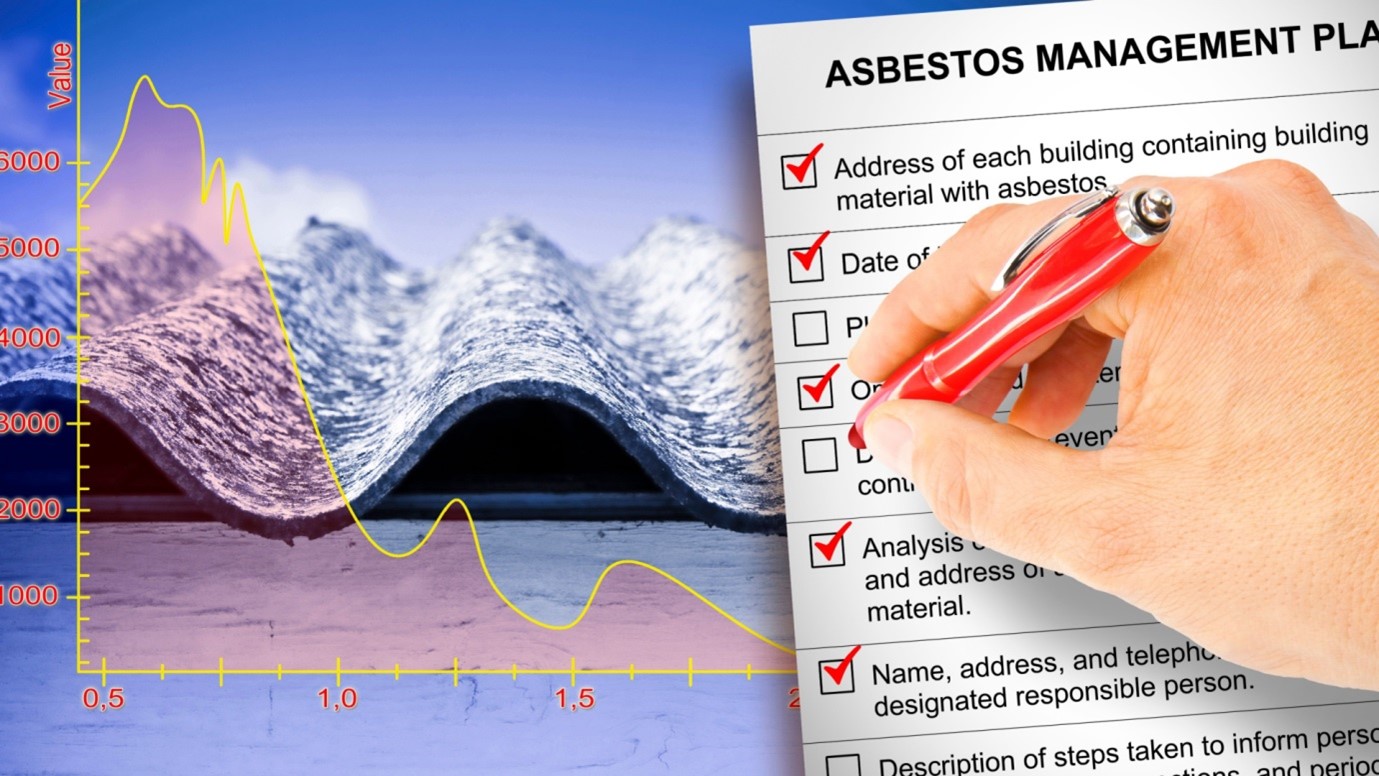
Navigating the maze of asbestos management can feel like trying to solve a cryptic crossword puzzle. Yet, this crucial task is paramount in ensuring the safety of people who live or work in buildings that may contain asbestos. The UK’s primary tool for achieving this is the Asbestos Management Survey.
This comprehensive guide will shed light on what an Asbestos Management Survey is, its importance, and its role in safeguarding against potential asbestos-related hazards.
In a jargon-free and easy-to-understand manner, we’ll untangle the complexities surrounding asbestos management, helping you gain the confidence to meet your obligations as a duty holder.
Why Asbestos is a Problem
Asbestos, once hailed as a wonder material due to its resistance to heat and insulating properties, has become a proverbial wolf in sheep’s clothing.
While inert and harmless when undisturbed, asbestos becomes a significant health risk when the materials containing it are damaged or disrupted. This disturbance can release tiny asbestos fibres into the air.
Invisible to the naked eye, these fibres can easily be inhaled, and that’s when the real trouble starts.
Once inhaled, these fibres can become trapped in the lungs and stay there for a long time. Over the years, they can accumulate, causing inflammation and scarring and eventually leading to several severe health conditions. These include lung cancer, mesothelioma (a cancer of the lining of the lung or abdomen), and asbestosis (a scarring disease of the lungs that can cause shortness of breath, coughing, and eventual heart failure).
The delay period for the onset of these diseases can be several decades, meaning symptoms may not become apparent until many years after exposure. By this point, treatment options are often limited.
Given these risks, effective asbestos management in buildings is not just a legal requirement but a vital step towards protecting health. This is where the Asbestos Management Survey becomes instrumental.
ACMs – What Are They?
ACM stands for Asbestos Containing Materials. Asbestos was widely used in the construction industry for its excellent heat resistance and insulation properties. It can be found in various materials, such as roofing sheets, floor tiles, insulation boards, and pipe insulations, to name a few.
This is why surveys, management plans and regular inspections are crucial – they help locate and manage these potential hazards, ensuring safety for everyone.
The Aims of a London Asbestos Survey
Imagine a super-sleuth assigned to ensure your building is safe and sound. That’s essentially the role of an Asbestos Management Surveyor. They aim to ensure that nobody is harmed by the continuing presence of ACM on the premises. This is achieved by meeting several key objectives:
- Locate and Record: The survey is designed to locate and document the presence and location of ACM and anything presumed to be an ACM within the building. It identifies materials that could potentially release asbestos fibres into the air, causing health risks.
- Assess Condition: It’s not enough to just locate ACM. The survey assesses the condition of these materials – are they in good condition or showing signs of damage?
- Prevent Disturbance: It aims to ensure that the ACM isn’t accidentally disturbed by routine activities, maintenance, or by installing new equipment.
- Risk Assessment: The survey carries out a materials assessment which indicates the ability of the ACM, if disturbed, to release fibres into the air.
- Update the Asbestos Management Plan: The results of the survey will feed into your asbestos management plan, helping you manage any identified risks appropriately.
Remember, this survey involves minor intrusive work and some disturbance, but the safety rewards are well worth the effort. It guides the duty-holder (possibly you), helping prioritise any remedial work if needed.
UK Laws Regarding Asbestos and Asbestos Removal
In the UK, and especially in the major cities such as London, asbestos regulation compliance is not a suggestion – it’s a requirement. These regulations ensure that asbestos is managed correctly and removed safely when needed. Here’s a rundown of the relevant legislation:
Control of Asbestos Regulations (CAR) 2012
The CAR 2012 is the leading piece of legislation related to asbestos. It outlines three key legal duties:
- Duty to Manage Asbestos (Regulation 4): This applies to the owners and occupiers of commercial premises (people known as ‘duty holders’) responsible for maintenance and repair activities. In addition to these responsibilities, they must assess the presence and condition of any asbestos-containing materials. If asbestos is present or presumed to be present, it must be managed appropriately.
- Duty to Prevent Exposure (Regulation 10): This involves preventing or, if this is not reasonably practicable, reducing the spread of asbestos to the lowest level reasonably possible.
- Duty to Provide Information, Instruction and Training (Regulation 10): This stipulates that anyone who is liable to disturb asbestos during their work or who supervises such employees must receive the correct level of information, instruction and training to enable them to carry out their work safely and competently and without risk to themselves or others.
London Asbestos Removal Guidance
As for the removal of asbestos, it’s a task that must be handled with extreme care and by professionals. If ACMs are in good condition and not likely to be disturbed, they can often be left in place and managed.
However, suppose the materials are damaged or will be disturbed by renovations, repairs or demolition. In that case, they must be repaired, sealed, enclosed, or removed.
In most cases, it is a legal requirement that a licensed asbestos removal contractor undertakes any work involving removing asbestos. There are some exceptions to this, known as non-licensable work. Still, even in these cases, workers must be adequately trained, and work must be carried out using appropriate controls and precautions.
Considering the legislation’s complexity and the hazardous nature of asbestos, professional advice should always be sought when dealing with this potentially lethal substance.
Impact of Asbestos on Homeowners, Landlords and Businesses in London
The presence of asbestos can have considerable ramifications for homeowners, landlords, and businesses. The impact of asbestos extends beyond health risks and into the realm of legal requirements and responsibilities.
Homeowners
If your home was built or refurbished before the year 2000, there’s a chance it may contain asbestos. Asbestos itself is not harmful if left undisturbed. However, it’s crucial to take precautions when carrying out home improvements or maintenance that may disturb asbestos.
While homeowners are not legally obliged to conduct an asbestos survey report, it would be wise to complete an asbestos survey for safety if you’re planning any renovations. Professional removal is highly recommended if asbestos is found, although not legally required for private residences.
Landlords
For landlords, the legal responsibilities increase. While landlords of private domestic properties are not explicitly required by law to have an asbestos survey, it is considered best practice, especially if refurbishments are planned.
Landlords are, however, legally obliged to assess and manage the risk of asbestos exposure in communal areas of flats and houses in multiple occupations (HMOs). This requires conducting an asbestos management survey containing any asbestos found in the communal areas.
Businesses
For businesses, the rules are more stringent. Any non-domestic premises, including retail, commercial, and industrial properties built before 1999, are legally required to have an up-to-date asbestos register, survey, and management plan under the Control of Asbestos Regulations (CAR) 2012, as mentioned earlier.
Failure to comply with these regulations can lead to hefty fines or even imprisonment.
In Conclusion
Whether you’re a homeowner, landlord, or business owner in London, understanding the potential presence of asbestos in your building and complying with the applicable laws and regulations is essential to safeguard your health and avoid legal complications.
Should you have concerns, contact us to discuss an Asbestos Risk Assessment without delay.