
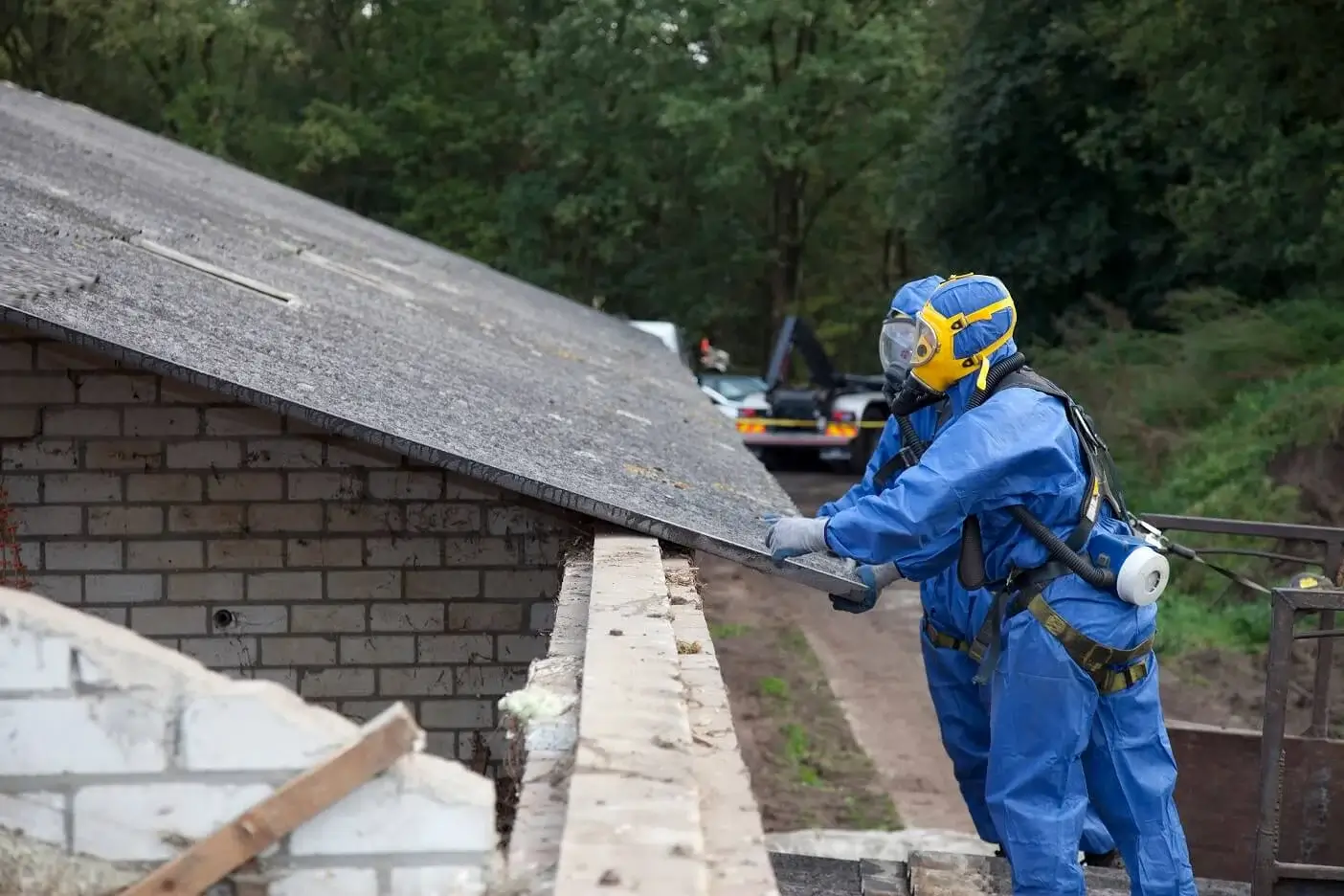

The Hazards of Asbestos Roof Sheets
Since the 1990s, we have known that asbestos in buildings poses a significant health risk. However, many property owners are unaware there could be asbestos in their roof sheets. Asbestos roof sheeting was commonly used in roofing until the UK government entirely banned using asbestos in building materials in 1999. Therefore, properties built or renovated before the late 1990s are likely to have asbestos-containing roof sheets or other asbestos containing materials (ACMs).
Asbestos sheets, also known as asbestos cement sheets, were not only used in roofing but also in cladding and insulation. The harmful health effects of asbestos sheets make them unsafe, requiring professional and expert removal.
Asbestos fibres are not visible to the naked eye, making it difficult for homeowners to identify their presence without proper testing or inspection.
Over time, ageing roof sheets may deteriorate, releasing asbestos fibres into the air. Occupants can inhale these fibres, increasing the risk of asbestos-related diseases, including asbestosis, lung cancer, and mesothelioma.
Understanding Asbestos Sheets
Asbestos is often called a silent killer because it goes undetected in buildings. For building owners, there is an added responsibility as they can be held liable for the consequences of asbestos exposure.
Despite its ban for over 20 years, the dangers associated with this mineral remain significant.
Corrugated Asbestos Roof Sheets

The Importance of Asbestos Sheet Removal
If you have or think you may have asbestos sheets, you mustn’t try to dispose of them yourself. Licensed asbestos removal professionals have specialised equipment, including personal protective gear and respiratory devices. Without such equipment, people attempting DIY sheet removal are at high risk of fibre exposure. Reasons to get the sheets removed include:
Protecting Occupant Health
Removing asbestos sheets eliminates the risk of fibres becoming airborne and being inhaled by occupants, ensuring their safety and well-being.
Legal Compliance
Various regulations and guidelines mandate the safe removal of asbestos containing materials to protect workers, occupants, the public and the environment. Failing to comply can result in hefty fines.
Renovation and Demolition Projects
Asbestos sheet removal is crucial before starting any renovation or demolition activities. Disrupting ACMs without proper precautions can release hazardous fibres, endangering everyone nearby.
Increased Property Value
Asbestos-free properties are desirable in the real estate market, as potential buyers naturally prioritise safety and compliance. Removing asbestos sheets can increase a property’s value and marketability.
Our Safe Asbestos Sheet Removal Process
We offer professional asbestos roof sheet removal services using specialised techniques for safe and compliant asbestos sheet removal. Here is an overview of the typical process:
Site Assessment
We survey the site to find the presence and condition of asbestos sheets through visual inspections and sampling, determining the extent of the removal project.
Safety Precautions
Strict safety measures are implemented to protect the building’s occupants and ourselves. We wear personal protective equipment (PPE) and create isolation zones to prevent the spread of asbestos fibres.
Containment and Removal
Asbestos-containing materials are carefully removed using techniques to minimise fibre release. With wetting methods and using sealed containers, we prevent fibre dispersion. After wetting, we carefully remove the sheets from the roof and then securely dispose of them. The work area must be isolated, and the removal site thoroughly decontaminated to prevent any fibres from spreading.
Disposing of Asbestos Roof Sheets
Collected asbestos sheets and other waste are sealed and appropriately labelled before transport to authorised disposal facilities. Proper disposal ensures that asbestos does not risk the environment or public health.
Following removal, we do a final inspection and monitor the air to verify the effectiveness of the removal process. A clearance certificate is issued to certify the site as asbestos-free.


